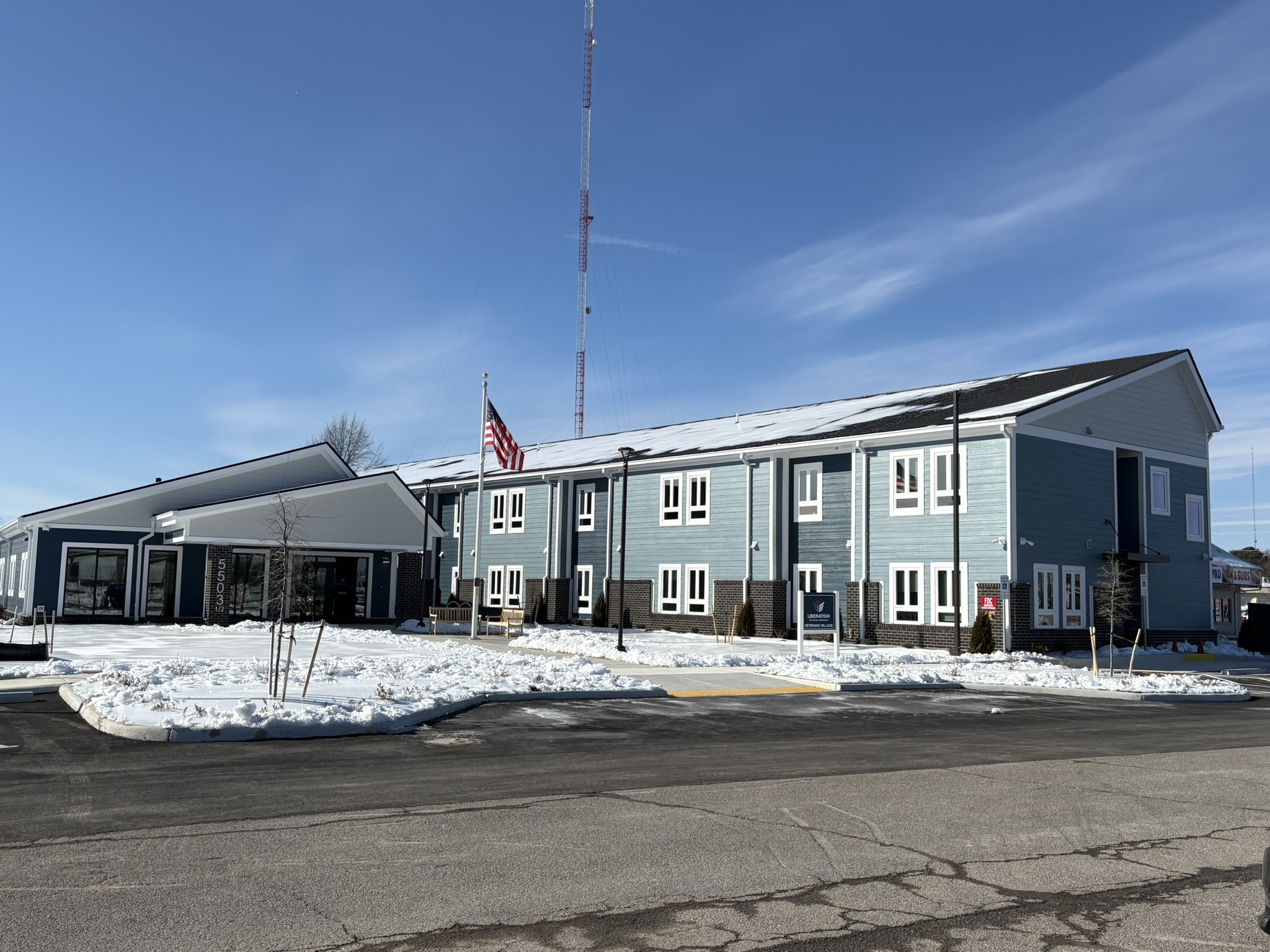
Last week, I toured a veteran housing development just completed in January 2026 in Richmond, Virginia that we appraised during the development phase and which has since completed construction. Liberation Village is situated at 5503 Midlothian Turnpike, in Richmond and includes 50 units of transitional housing for veterans. I characterize it as micro-hotel units, with significant common areas to provide living space, case work management, food service and other activities. Financing was by First Citizen’s Bank. Much of our work happens before a project is ever built, so being able to walk the property now that it’s complete adds a level of clarity you don’t always get from drawings and reports alone.
Check out this short video https://www.youtube.com/watch?v=bNNf262Hses
About the Organization Behind the Project: Liberation Veteran Services
A development like Liberation Veterans Village doesn’t happen by accident, it’s the result of purpose-driven leadership and deep community commitment. That’s exactly what you’ll find in the nonprofit organization behind it: Liberation Veteran Services (LVS).
For more than a decade, LVS has been working to help veterans not just find housing, but keep housing and thrive. According to the organization’s own data, more than 725 veterans have received support through their programs, and an impressive 86% of graduates continue to live independently for a year or more.
The vision for Liberation Veterans Village fits within that mission: a physical space that reflects the organization’s belief that veterans deserve more than temporary shelter, they deserve a foundation for long-term stability, community, and opportunity.
And while Veterans Village represents a major milestone, LVS isn’t stopping there. The broader plan includes additional permanent housing units to help veterans transition from supportive residence into long-term community living, further supporting the idea that housing should be a beginning, not an endpoint.
The Growing Need for Veteran Housing in Virginia and Richmond
Virginia is home to one of the largest veteran populations in the country, and the Richmond region serves as a hub for medical care, social services, and veteran support organizations. Despite that, the supply of housing specifically designed for veterans, particularly those transitioning out of homelessness or housing instability, continues to lag behind demand.
In Richmond, that gap is especially visible. Veterans often face barriers that go beyond rent affordability alone, including physical and mental health challenges, difficulty reentering the workforce, and limited access to consistent support systems. Transitional and supportive housing plays a critical role in bridging that gap, yet there are relatively few modern developments built specifically with veterans’ needs in mind.
First Impressions: A Hotel-Like Feel, Not Institutional Housing
One of the first things that stood out during the inspection was how unlike traditional supportive housing the project feels. The finishes and layout lean more toward a modern hotel or micro-apartment community than a traditional institutional use.
The private living spaces are well laid out, with clean lines, durable but attractive flooring, modern fixtures, spacious bathrooms, and finishes that feel intentionally chosen—not value-engineered to the bare minimum. The units offer privacy and comfort, which is critical for residents rebuilding independence.
As appraisers, we pay close attention to functional utility and design efficiency. Here, the layout works. The spaces feel usable, calm, and appropriately scaled for how residents will actually live, not just how the building looks on paper.
Common Areas Designed for Real Use
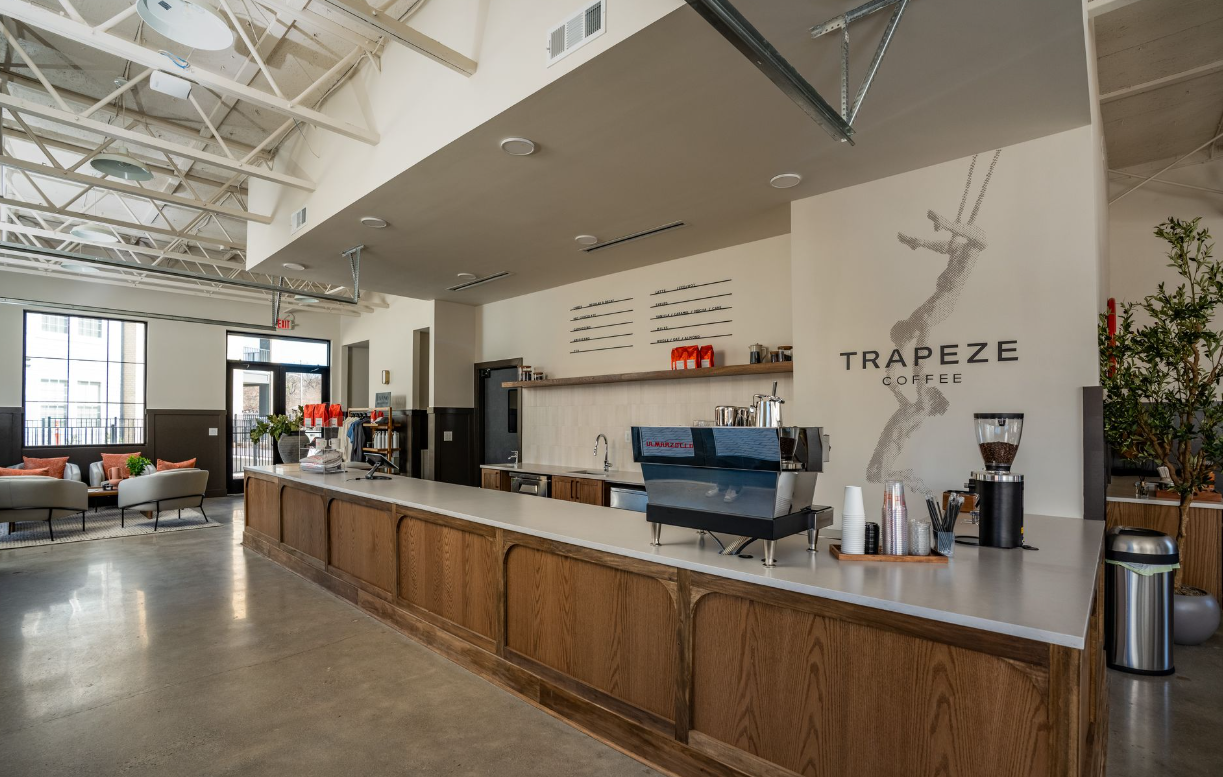
Equally important are the common areas. These aren’t oversized or extravagant, but they’re clearly designed to support community and day-to-day interaction. Shared spaces give veterans places to gather, connect, and access services without feeling forced or institutionalized.
Why Location and Access Matter for Veterans
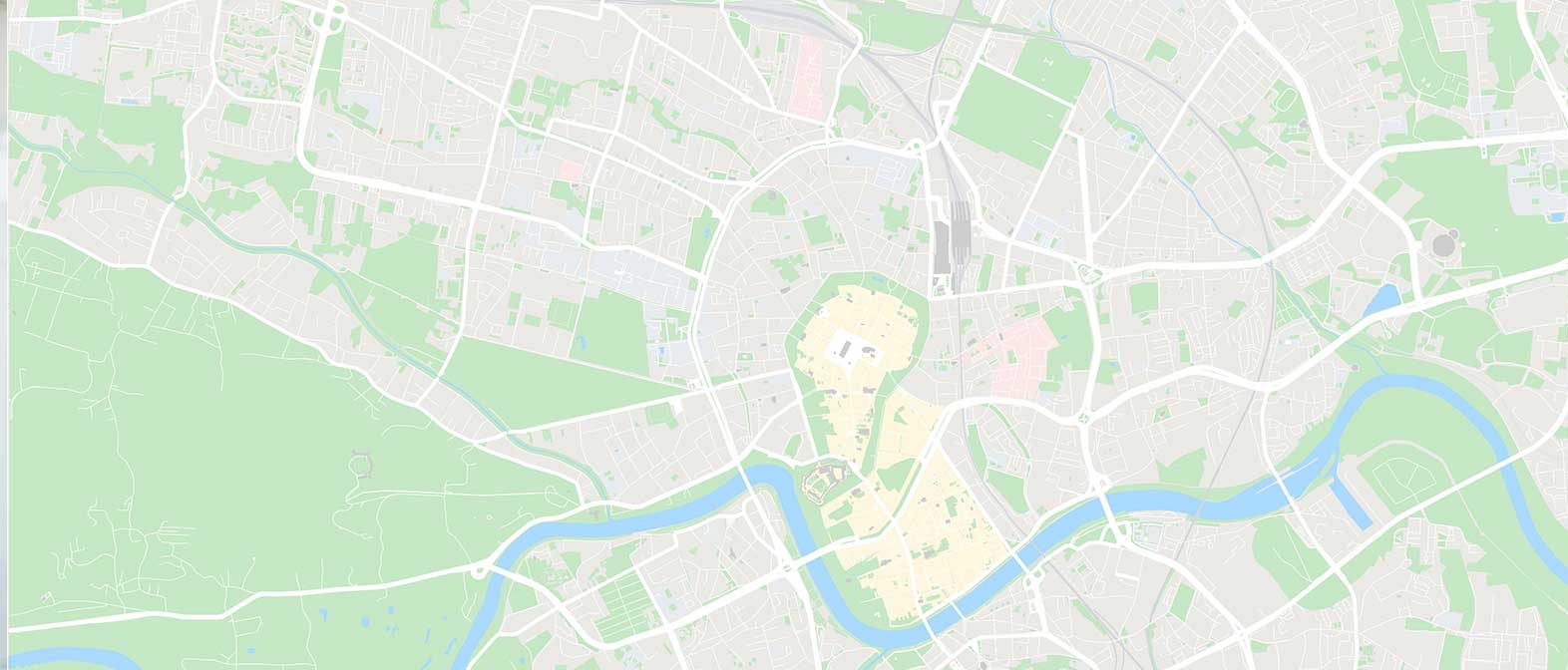
One of the most important, and sometimes overlooked, aspects of veteran housing is where it’s located. Liberation Veterans Village benefits from a Richmond location that provides access to medical care, employment centers, public transportation, and veteran support services. For residents working toward stability, proximity to these resources can make a meaningful difference in daily life.
During our tour, it was clear that the site wasn’t chosen in isolation. The surrounding area supports the mission of the development, allowing residents to remain connected to the broader community rather than feeling separated from it. That integration matters, particularly for veterans transitioning out of homelessness or unstable housing.
From a practical standpoint, location influences everything from transportation costs to employment opportunities and access to care. From a human standpoint, it reinforces independence. Housing that’s well placed helps residents move forward without unnecessary barriers, and that’s something this development clearly considered.
Why Projects Like This Matter
Veteran housing developments like this are more than a response to a housing shortage. They’re part of a broader infrastructure that supports stability, health, and reintegration. Housing that feels safe, private, and respectful can be the foundation veterans need to take the next step forward.
From our perspective as appraisers, this project is a strong example of how thoughtful design, realistic underwriting, and a clear mission can come together successfully. It’s encouraging to see veteran housing in Richmond being approached with the same level of care and quality that you’d expect in any well-executed residential development.
We’re proud to have been involved in the appraisal process and to now see the finished product delivering on its intent. The Liberation Veterans Village is anticipated to begin accepting applicant move is in March, with average lengths of stay expected to range from approximately 6 to 8 months.
Thomas McCoy MAI and Caleb Simmons